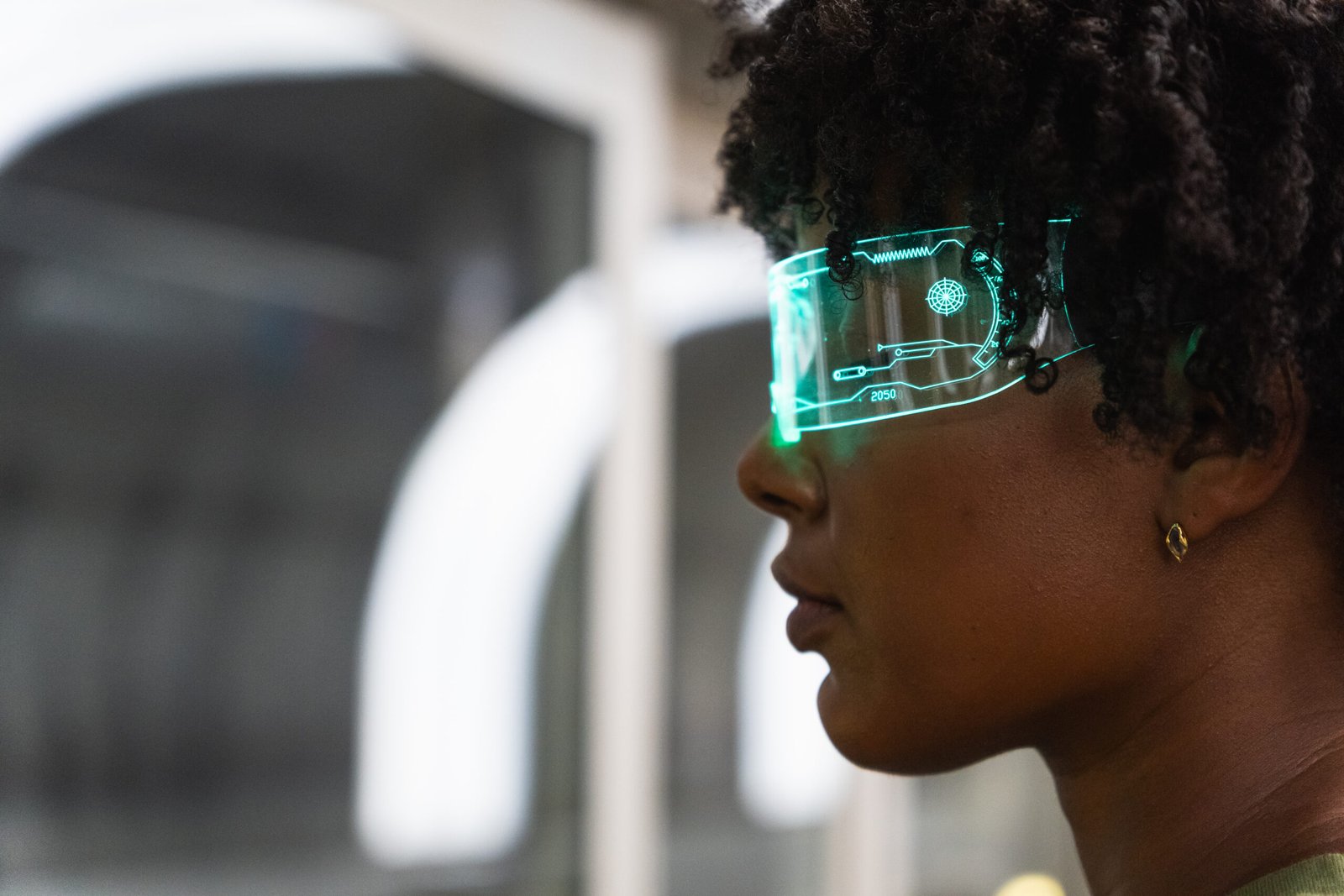

In 2025, artificial intelligence (AI) and its subset, generative AI, are at the forefront of technological innovation, reshaping industries, economies, and daily life. From autonomous decision-making systems to creative content generation, these technologies are driving unprecedented change. This article explores the latest advancements in AI and generative AI, their transformative applications, and the trends defining their trajectory, drawing on insights from recent analyses like Stanford’s 2025 AI Index and industry reports.
The Evolution of AI in 2025
AI has evolved beyond predictive analytics and automation into systems capable of reasoning, learning, and acting autonomously. According to Stanford’s 2025 AI Index, as highlighted in IEEE Spectrum, global AI investments reached $250 billion in 2024, with 60% directed toward enterprise solutions. This surge reflects AI’s growing role in decision-making, with over 40% of large organizations integrating AI into core operations, from supply chain optimization to customer service.
Key advancements include:
- Agentic AI: Unlike traditional AI, agentic AI systems operate independently, performing tasks without human prompts. For example, OpenAI’s latest models can autonomously conduct research, draft reports, and execute multi-step workflows, reducing workloads by up to 70% in some industries, per McKinsey estimates.
- Multimodal AI: Models like Google’s Gemini 4.0 process text, images, and audio simultaneously, enabling applications like real-time translation of multilingual video conferences or automated medical imaging analysis with 95% accuracy, rivaling human experts.
- AI Governance and Ethics: With AI’s proliferation, governance frameworks are maturing. The EU’s AI Act, fully enforced in 2025, mandates transparency in high-risk AI systems, while enterprises adopt explainable AI to build trust. Over 30% of Fortune 500 companies now have dedicated AI ethics boards, according to Deloitte.
Generative AI: Redefining Creativity and Productivity
Generative AI, which creates content like text, images, music, and code, is a cornerstone of 2025’s tech landscape. The generative AI market, valued at $44 billion in 2024, is projected to reach $1.3 trillion by 2032, per Bloomberg Intelligence, driven by tools like ChatGPT, DALL-E 4, and MidJourney.
Breakthroughs in Generative AI
- Enhanced Model Efficiency: New models require 50% less computational power than their 2023 counterparts, thanks to techniques like sparse transformers and quantization. This democratizes access, allowing startups to deploy generative AI on consumer-grade hardware.
- Hyper-Personalized Content: Generative AI now tailors content with unprecedented precision. Netflix uses AI to generate personalized trailers for each viewer, boosting engagement by 25%. Similarly, marketing firms leverage tools like Jasper AI to create hyper-targeted ad copy in seconds.
- Code Generation: GitHub Copilot’s 2025 iteration writes entire software modules with minimal human oversight, accelerating development cycles by 40%, per Gartner. This has made low-code platforms obsolete for many enterprises.
- Creative Arts: AI-generated music and art are mainstream. Universal Music Group partnered with AI platform AIVA to produce chart-topping tracks, while Sotheby’s auctioned an AI-generated painting for $1.2 million in January 2025.
Real-World Impact
Generative AI’s applications are vast:
- Healthcare: AI models like DeepMind’s AlphaFold 3 design custom proteins for targeted cancer therapies, cutting drug development time by 60%.
- Education: Tools like Khan Academy’s AI tutor generate personalized lesson plans, improving student outcomes by 30% in pilot programs.
- Manufacturing: Generative design AI optimizes product prototypes, reducing material waste by 20% for companies like Airbus.
Challenges and Risks
Despite its promise, AI and generative AI face hurdles:
- Bias and Misinformation: Generative AI can amplify biases or produce deepfakes, with cybercrime costs from AI-generated fraud projected to hit $10 billion by 2026, per Cybersecurity Ventures. Robust detection tools, like those from SentinelOne, are countering this threat.
- Energy Consumption: Training large models remains energy-intensive, though green AI initiatives, such as Microsoft’s carbon-neutral data centers, aim to offset this by 2030.
- Workforce Displacement: While AI creates 3 million jobs annually (per the World Economic Forum), it displaces roles in repetitive tasks, necessitating reskilling programs. Over 50% of IT workers are expected to upskill in AI by 2027.
Looking Ahead: Trends for 2025 and Beyond
The AI landscape is poised for further disruption:
- Ambient Invisible Intelligence: Forbes predicts AI will become seamless, embedded in devices like smart glasses and IoT systems, enabling real-time decision support without user interaction.
- Quantum AI: Early quantum computing applications, like IBM’s Qiskit, are accelerating AI training, potentially slashing costs by 80% by 2030.
- AI-Driven Sustainability: Generative AI is optimizing renewable energy grids, with Google’s DeepMind reducing energy waste by 15% in smart cities.
AI and generative AI advancements in 2025 are not just technological milestones but catalysts for societal transformation. From agentic systems streamlining enterprises to generative tools redefining creativity, these technologies are unlocking new possibilities. However, their responsible deployment—balancing innovation with ethics, sustainability, and inclusivity—will define their long-term impact. As the generative AI market races toward a trillion-dollar future, one thing is clear: AI is no longer a tool; it’s a partner in shaping tomorrow.
Sources: Stanford’s 2025 AI Index, IEEE Spectrum, McKinsey, Bloomberg Intelligence, Forbes, Gartner, Cybersecurity Ventures, World Economic Forum. For real-time updates, check X posts from @TechCrunch or @AImpactNews.